
For decades, industrial managers have relied on static area monitoring to “check the box” for noise compliance. But as we move into 2026, the landscape of industrial safety is shifting. Relying on room averages or a simple sound level app is no longer a defense against OSHA inspections or long-term liability. The truth is, if you aren’t measuring personal exposure, you aren’t truly protecting your workforce.
The Smartphone Trap: Why a Sound Level App Fails the Audit
It’s common to see supervisors walking the floor with a sound level app on their smartphones. While these are convenient for quick checks, they lack the hardware precision and certification required for a legal safety strategy.
- Lack of Calibration: Smartphones cannot be adjusted to meet ANSI or IEC standards.
- Microphone Limitations: Standard phone mics often clip peak impact noises, missing the most dangerous sounds.
- No Legal Standing: Data from an app will not hold up during an OSHA audit or a worker’s compensation claim.
Why Vibration Sound Equipment is the New Standard
Noise and vibration are two sides of the same coin. A machine that produces excessive noise is often vibrating out of spec, signaling both a mechanical failure and a health hazard. Professional vibration sound equipment allows you to:
- Capture Personal Dosimetry: Track the actual noise dose a worker receives as they move through different zones.
- Identify Mechanical Fatigue: Use vibration data to predict equipment failure before it leads to an accident.
- Ensure 2026 Compliance: Meet the tightening regulations that prioritize individual exposure over general area averages.
Why Vibration Sound Equipment is the New Standard
Noise and vibration are two sides of the same coin. A machine that produces excessive noise is often vibrating out of spec, signaling both a mechanical failure and a health hazard. Professional vibration sound equipment allows you to:
- Capture Personal Dosimetry: Track the actual noise dose a worker receives as they move through different zones.
- Identify Mechanical Fatigue: Use vibration data to predict equipment failure before it leads to an accident.
- Ensure 2026 Compliance: Meet the tightening regulations that prioritize individual exposure over general area averages.
Conclusion
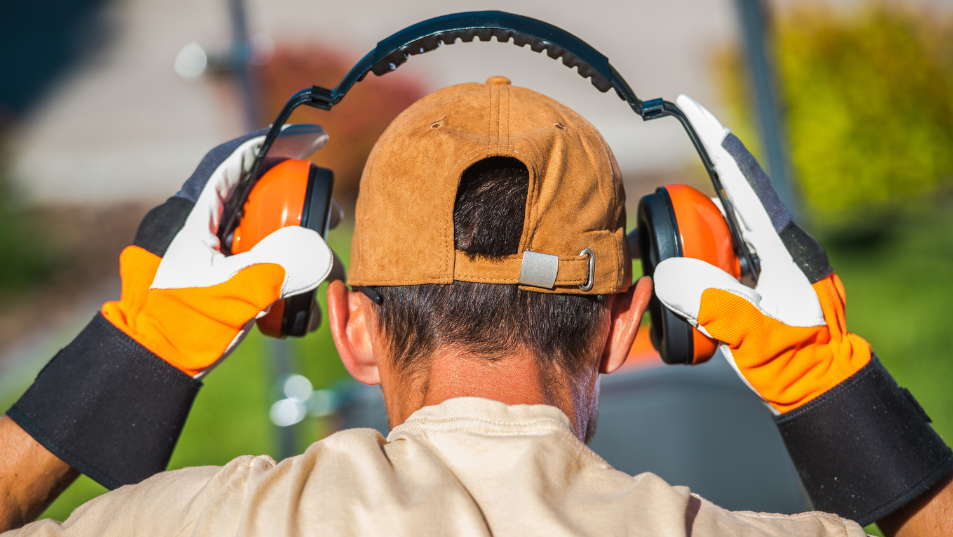
The shift from area monitoring to personal dosimetry is not just a trend; it’s a necessity for modern industrial management. Relying on uncalibrated tools like a sound level app puts your company’s reputation and your employees’ health at risk. Investing in high-quality vibration sound equipment is the only way to ensure that your data is accurate, traceable, and audit-ready.
Take the Next Step
Don’t wait for an OSHA citation to upgrade your safety protocol. At Inteccon USA, we provide the professional-grade tools and expertise to keep your facility quiet, safe, and compliant.
Schedule Your Noise & Vibration Assessment Today