
In the U.S., industries are under growing pressure to control what can’t be seen: industrial air quality. Behind the noise of production lines and the hum of HVAC systems, a quieter risk threatens to derail compliance, safety, and productivity: poor industrial air quality.
As the EPA tightens regulations and OSHA inspections become more frequent, air quality violations are landing more U.S. companies on the wrong side of enforcement. Yet, many facilities still rely on outdated or reactive methods to track pollutants, if they monitor at all.
Ignoring industrial air quality is no longer an oversight. It’s a direct risk to worker health and a potential red flag for regulators.
The Real Risks of Poor Industrial Air Quality in Facilities
Industrial operations generate a complex mix of airborne pollutants, including VOCs, particulate matter (PM2.5/PM10), and gases such as CO, NO2, and O3. These are not hypothetical threats; they are measurable, and their effects are cumulative.
When exposure happens over months or years, often without symptoms, chronic illnesses such as asthma, COPD, and even cardiovascular issues begin to emerge in workers. Cognitive impairments, fatigue, and higher accident rates also tie directly to substandard air.
In places like manufacturing hubs in Ohio, Pennsylvania, and Texas, OSHA is increasing scrutiny, particularly in facilities with repeat exposure incidents. In a 2023 inspection blitz, more than 200 violations related to air quality monitoring were cited across just 3 states.
The stakes? Fines. Shutdowns. Lawsuits. And perhaps most importantly, people’s lives.
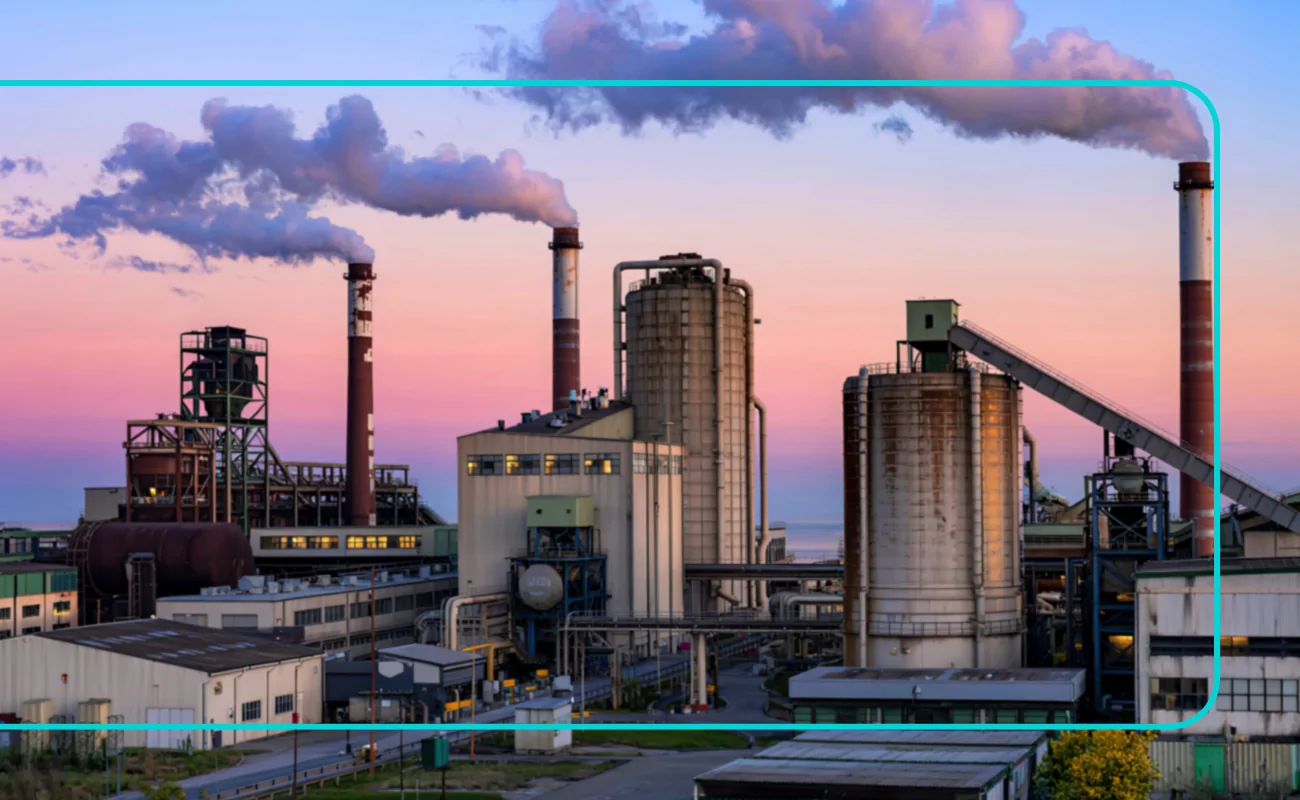
Rising Scrutiny and Tighter Air Quality Compliance in the U.S.
In 2024, the EPA updated its National Ambient Air Quality Standards (NAAQS) for PM2.5, making it even more difficult for industrial operations to stay below permissible limits. States are now under pressure to meet federal targets, and that means local agencies are increasing enforcement on facilities that lack adequate monitoring.
This means one thing for businesses: if you’re not measuring air quality continuously, you’re vulnerable.
Industries particularly at risk:
-
Chemical manufacturing
-
Pulp and paper
-
Food processing
-
Foundries and metal fabrication
-
Plastics and composites
These sectors often operate in enclosed or semi-enclosed environments where airborne contaminants accumulate fast—and without monitoring, go undetected until someone gets hurt or a surprise inspection occurs.
Real-Time Monitoring with the Right Tools
Gone are the days when monthly grab samples and lab analysis were enough. Today’s compliance reality demands real-time, accurate, and scalable solutions. That’s where Inteccon comes in. Among our portfolio, two standout air quality monitors offer flexible solutions across industrial applications:
Oizom Polludrone
-
Measures PM2.5, PM10, gases (NO2, CO, SO2, etc.), and meteorological parameters
-
Real-time data with cloud integration
-
Ideal for perimeter and fence-line monitoring in industrial zones
WT1 Pro by Ellona
-
Industrial-grade multisensor platform
-
Detects VOCs, particles, and gases with AI-enhanced pattern recognition
-
Seamless integration with existing facility dashboards and controls
Both systems are designed for rugged industrial use, offer lifetime data access, and meet U.S. calibration and data security standards. They’re the next step for any safety or EHS manager who knows that what gets measured gets managed.
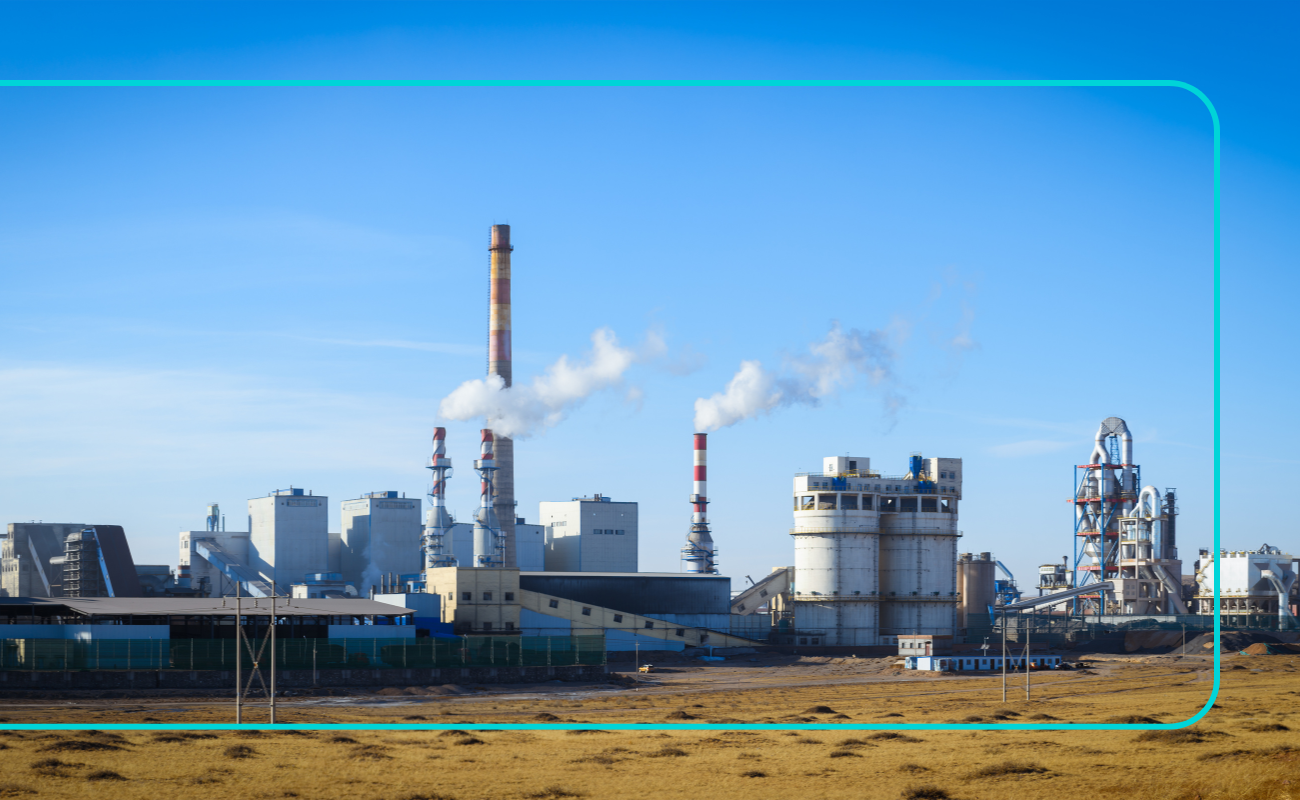
Air Quality as a Business Imperative
Industrial air quality is no longer an EHS department’s problem; it’s a C-level concern. Poor air equals poor morale, low productivity, and skyrocketing healthcare costs. Not to mention the growing trend of legal claims tied to air exposure, especially in unionized sectors.
At Inteccon, we’ve seen firsthand how a simple switch to continuous monitoring has helped clients not only stay compliant but drastically reduce complaints and absenteeism. It’s not just about safety; it’s operational strategy.
Conclusion
Air quality might be invisible, but its impact is anything but. In today’s regulatory and ethical landscape, not knowing is no longer a valid excuse. U.S. industries must move from reactive air quality checks to proactive, data-driven systems that ensure compliance, protect their people, and maintain trust with the communities around them.
Need help selecting the right system? Let’s talk.