
Noise Dosimeter vs. Sound Level Meter: Which One Does OSHA Require?
When occupational health professionals set up a noise monitoring program, one question comes up consistently: should they use a noise dosimeter or a sound level meter? Both instruments measure sound, but they serve different purposes — and under OSHA 29 CFR 1910.95, choosing the wrong one can mean your data is legally invalid for compliance […]
The Most Common Gas Hazards in Confined Spaces and How to Detect Them
Confined spaces are among the most dangerous work environments in U.S. industry — not because of what workers can see, but because of what they cannot. The gases that cause the most fatalities in permit-required confined spaces have no color, no odor, and no warning before they reach lethal concentrations. By the time a worker […]
Electromagnetic Radiation in the Workplace: What You Can’t See Can Still Harm You
Electromagnetic radiation monitoring is one of the most overlooked disciplines in occupational health — not because the hazard is rare, but because it’s invisible. Workers in telecommunications facilities, power generation plants, broadcasting stations, industrial manufacturing environments, and healthcare settings are routinely exposed to electromagnetic fields (EMF) and ionizing radiation without any visible indicator that exposure […]
Water Quality Monitoring: Why the Type of Water Determines the Technology You Need
Water quality monitoring is not a single discipline. It’s a collection of distinct applications — each with its own measurement requirements, regulatory context, and operational constraints. A groundwater assessment in rural Kansas has almost nothing in common with a real-time distribution network audit in a mid-sized U.S. city. And a wastewater discharge compliance program at […]
Portable Gas Detectors: The Right Instrument for Every Work Environment
Portable gas detectors are among the most relied-upon tools in occupational safety — and also among the most misunderstood. In many facilities, the assumption is that any detector will do the job, as long as it sounds an alarm when something goes wrong. But the reality is more nuanced. Different work environments present different gas […]
Heat Stress Monitoring: Why Feeling Hot Isn’t the Warning Sign You Can Afford to Wait For
Heat stress monitoring has become one of the most critical components of occupational health programs in the United States — and for good reason. Every summer, workers across construction sites in Texas, foundries in the Midwest, and outdoor facilities along the Gulf Coast face thermal conditions that push the human body beyond its limits. The […]
Area Noise Monitoring Isn’t Enough Anymore in U.S. Industry—Here’s Why
For decades, industrial managers have relied on static area monitoring to “check the box” for noise compliance. But as we move into 2026, the landscape of industrial safety is shifting. Relying on room averages or a simple sound level app is no longer a defense against OSHA inspections or long-term liability. The truth is, if […]
Ventilation in confined spaces: the silent risk you can’t ignore in 2026
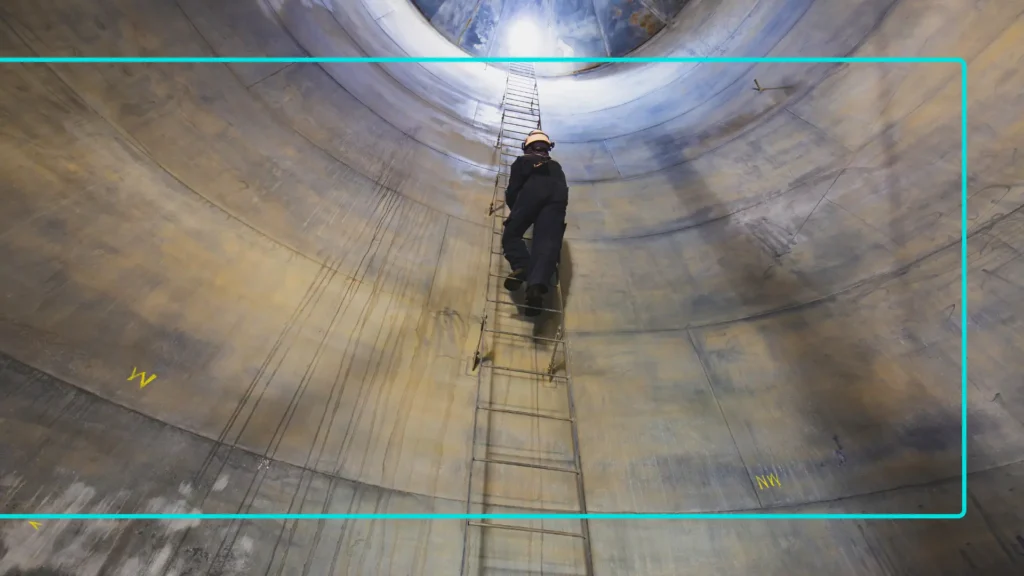
When we talk about ventilation in confined spaces, it’s easy to assume the solution is straightforward: bring in fresh air, keep it moving, and the job is done. On paper, it sounds simple. In real operations, it rarely is. Confined spaces—whether in construction sites, wastewater systems, or industrial facilities—don’t allow air to circulate naturally. Instead, […]